Bringing the ancient world to life for the next generation of scholars, the Department of Classical and Ancient Near Eastern Studies (CANES) welcomed nearly 80 high school students from across Wisconsin to UW–Madison on Sept. 29 for a day of discovery, learning and engagement with Classics.
The High School Visit Day marked the return of CANES’ high school outreach event for the first time since the pandemic, bringing students, teachers and parent chaperones from four Wisconsin high schools to campus. Through lectures, university classroom experiences and conversations with faculty and graduate students, the event introduced students to the breadth of Classics while creating opportunities to explore university-level learning firsthand.
At its heart, the initiative reflected an important part of the university’s educational mission: connecting people with knowledge, opening doors to new fields of study and extending opportunities for learning beyond the campus community.
Connecting Wisconsin students with the ancient world
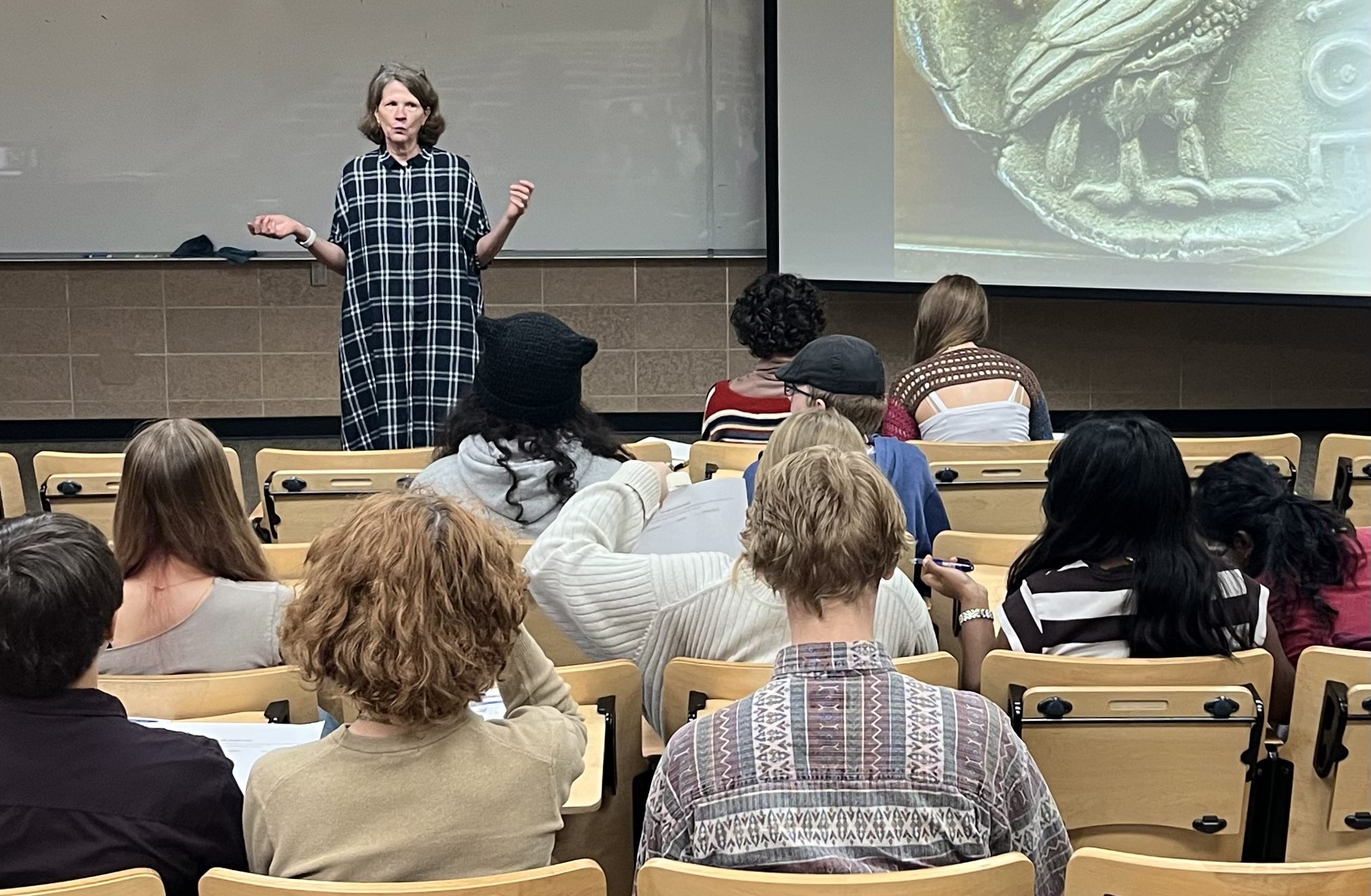
Students from Wauwatosa East High School, Wauwatosa West High School, Brookfield East High School and Brookfield Central High School began their visit with breakfast in the Frank Holt Program Room before embarking on a full day of academic exploration.
Across 10 lectures and class sessions, students encountered the breadth of Classics, exploring ancient Greek language and mythology, Roman history and society, literature, and the influence of classical antiquity on the modern world. Topics ranged from “The Odyssey: How the Film Lets Odysseus Off Lightly” and “Ancient Greek: The Language of the Odyssey” to “Slavery in Ancient Rome,” “Hercules, Heroes, Comedy, and Cartoons,” and “Traces of Rome in Revolutionary America: The Case of Alexander Hamilton.”
The program combined regularly scheduled university classes with sessions designed specifically for visiting students, allowing participants to experience different approaches to the study of the ancient world. By sitting in on classes alongside enrolled UW–Madison students, high school visitors gained a firsthand look at university teaching and the questions, conversations and discoveries that shape academic life.
These experiences offered more than an introduction to ancient civilizations. They invited students to engage with unfamiliar ideas, explore the connections between past and present, and see how the humanities can deepen our understanding of human societies and experiences.
Beyond the classroom, students met with CANES faculty and graduate students during a lunch session focused on studying Classics and navigating university life. The conversations gave visitors an opportunity to ask questions, learn from people actively engaged in teaching and research, and connect with the academic community behind the discipline.
The afternoon continued with another classroom session before students visited the Chazen Museum of Art for an exploratory activity, extending the day’s learning beyond the classroom and into the university’s cultural spaces.
These experiences offered more than an introduction to ancient civilizations. By encountering university-level coursework, engaging with scholars and exploring the campus, students could begin to imagine what studying the humanities at UW–Madison might look like for themselves. They also experienced the questions and connections that make Classics a living field of study—one that brings together language, history, literature, art and the interpretation of human experience across time.
Inspiring curiosity and opening doors
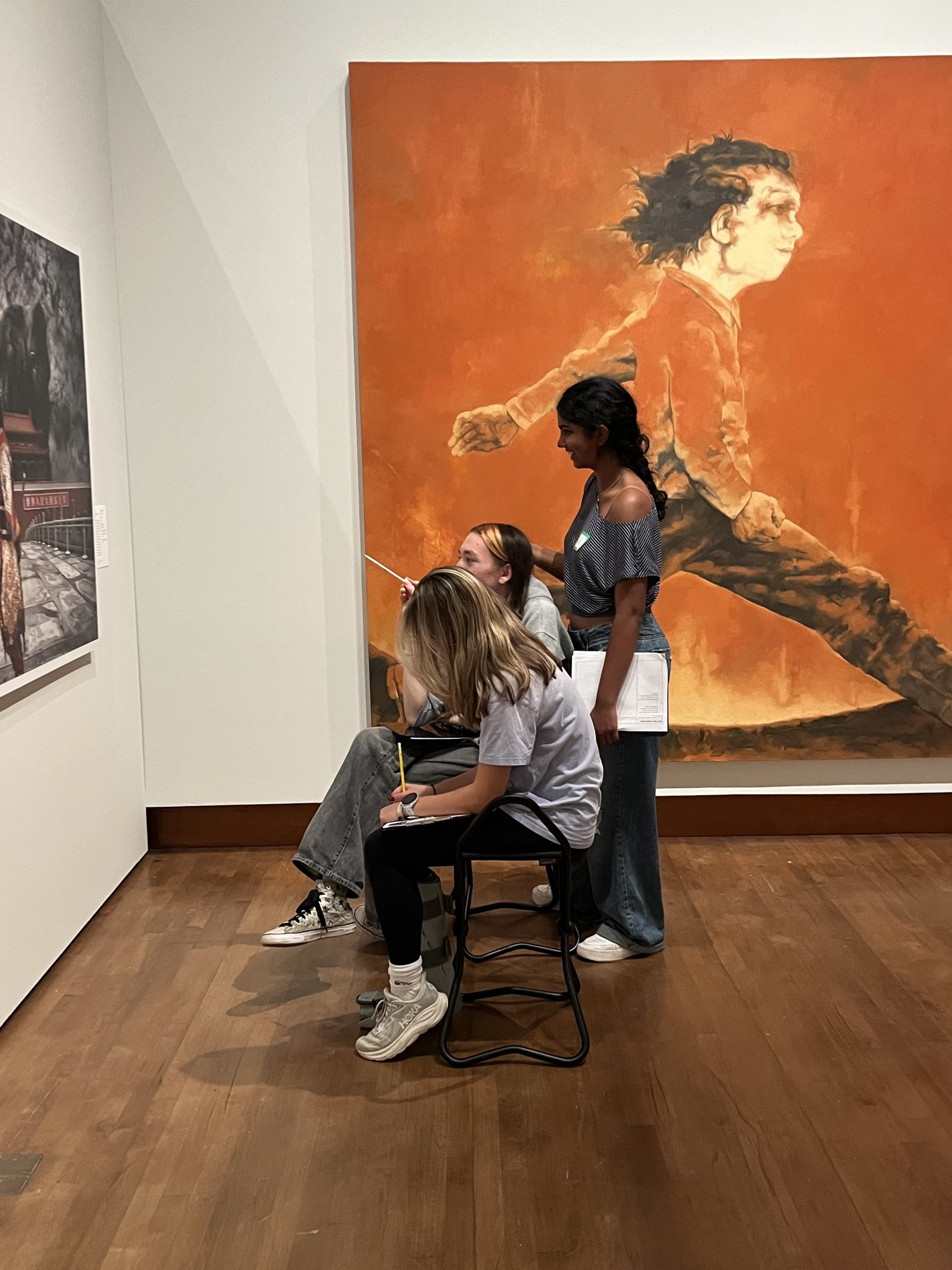
For outreach initiatives like the High School Visit Day, the value of the experience lies not only in introducing students to a subject, but also in helping them imagine new possibilities for their education. Direct engagement with faculty, graduate students and university classes can make an unfamiliar academic field more accessible and help students envision themselves as part of a university community.
Feedback from participants reflected enthusiasm for both the study of Classics and the opportunity to experience UW–Madison firsthand.
“I really liked getting to sit in on the real classes with enrolled students. It was also super fun to get to talk with the professors at lunch and ask them my questions,” one student wrote in an exit survey.
Another highlighted the value of meeting faculty members who brought their subjects to life: “My favorite part of the day was getting to meet the different professors and hear them talking about things they’re passionate and knowledgeable about.”
For some participants, the visit also strengthened their interest in attending UW–Madison.
“This campus visit increased my interest in attending UW Madison, because it was really nice to interact with the people who would be teaching me,” one student shared.
Another reflected on the day’s impact, writing, “I a hundred percent feel more motivated to work to get to go to UW Madison now. We should totally do this again.”
The response extended beyond prospective students. One adult chaperone offered a memorable testament to the day’s ability to spark curiosity across generations: “I am an adult chaperone and now I want to learn the Classics!”
Together, these reflections demonstrate the potential of educational outreach to do more than share information. By giving students and community members direct access to university teaching, scholarship and conversation, CANES created an opportunity for participants to discover new interests, ask questions and see the study of Classics from a new perspective.
Looking to the past to understand the future
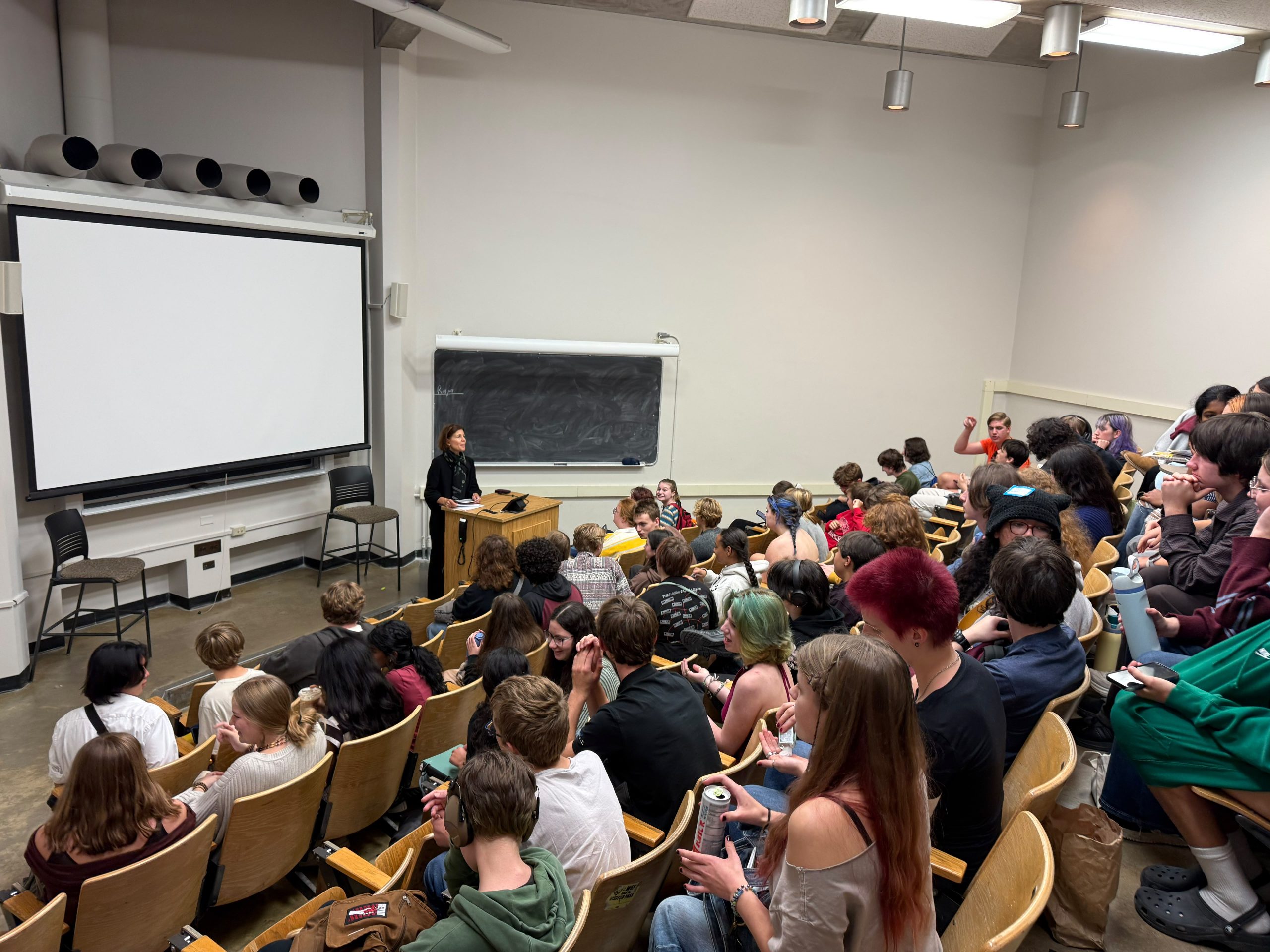
Vanessa Schmitz-Siebertz, director of the Latin Program and teaching faculty member in CANES, organized the High School Visit Day. She emphasized that outreach is essential to making Classics accessible to broader audiences and communicating the discipline’s continuing relevance.
“Outreach activities like this are critical to get the word out about what we do in the Classics, to engage everyone, and to show how exciting and accessible the study of Classics is, and that it is of significant contemporary relevance,” Schmitz-Siebertz said.
The study of ancient languages, literature, history and culture offers opportunities to examine how people have understood their world, organized their societies and grappled with enduring questions of human experience. Engaging with these perspectives can also help students reflect on the assumptions, traditions and challenges that shape the present.
“We are exploring and studying the past and fostering important insights for the future,” Schmitz-Siebertz said.
She also underscored the importance of historical understanding in making sense of contemporary life: “We cannot understand where or who we are without understanding where we’ve been.”
By bringing nearly 80 Wisconsin high school students into the classroom, connecting them with university educators and introducing them to the breadth of Classics, CANES’ High School Visit Day demonstrated how the study of the ancient world can reach beyond campus and inspire new generations of learners. The initiative also highlighted the value of connecting UW–Madison’s academic community with schools across the state, creating opportunities for students to encounter the humanities firsthand and consider where their own intellectual interests might lead.
The High School Visit Day was co-sponsored by the Anonymous Fund of UW–Madison, the Committee for the Promotion of Latin and Greek of the Classical Association of the Middle West and South (CAMWS), and the Department of Classical and Ancient Near Eastern Studies at UW–Madison.